Posted on

The Importance of Color Management in Digital Printing

digital printing in abu dhabi

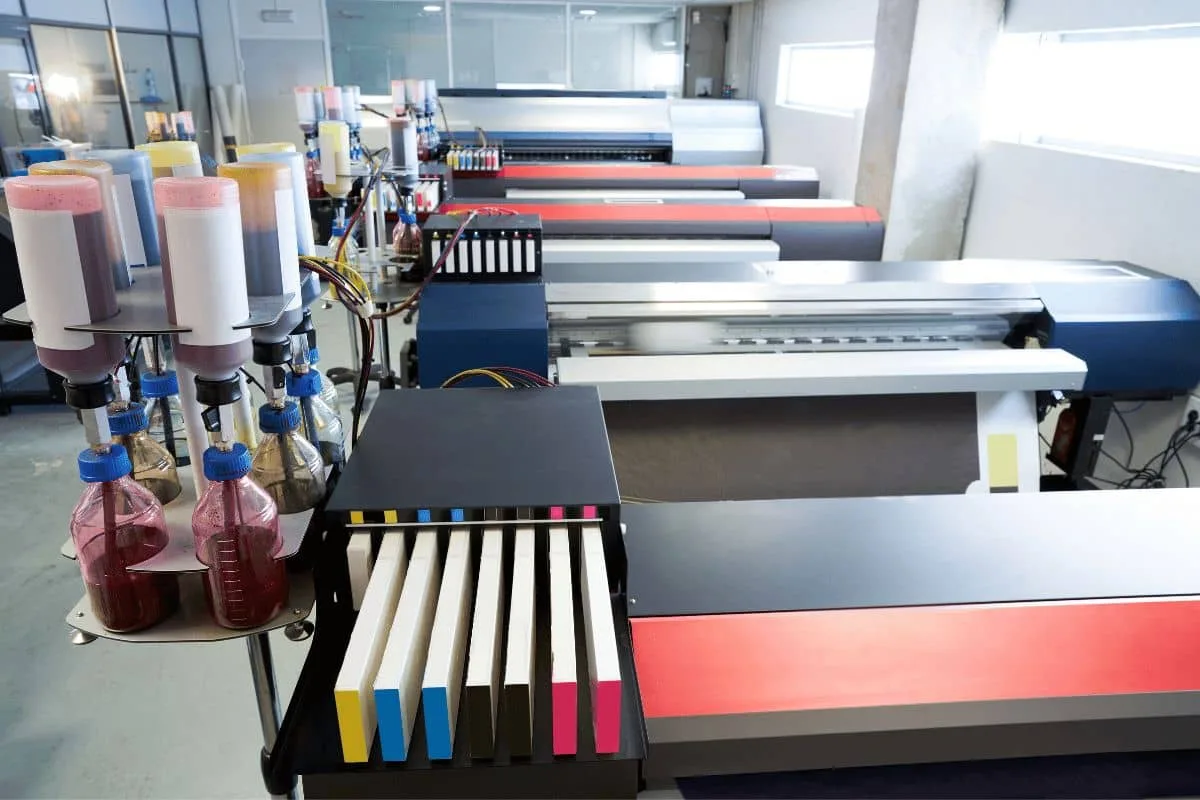
Digital printing has revolutionized business operations by being swift and cost-effective, allowing companies to meet their print needs efficiently. However, one critical aspect that often gets overlooked is color management. Without proper color management, the colors in your print may not look the same as they do on your screen, leading to poor results and wasted materials. Let’s delve into why color management is crucial, especially in Abu Dhabi’s digital printing landscape.

What is Color Management?

Color management is the process of ensuring that the colors in your digital files match the colors that get printed. Screens and printers display colors differently, so the final print may look significantly different from what you see on your monitor without proper management.

Proper color management becomes even more essential in a city like Abu Dhabi, where the print industry maintains exceptionally high standards. Businesses must ensure that their printed colors accurately reflect their brand and maintain consistency across all materials.

Why Color Management Matters?

Consistency

One of the most critical reasons for color management is ensuring consistency. Imagine handing out business cards, brochures, and banners with colors that don’t match. This confuses your audience and can damage your brand’s credibility. Consistent colors across all materials portray your business’s unified and professional image.

Accuracy

When a business spends time and resources designing marketing materials, it expects the final print to look exactly as intended. Without color management, the print colors might not align with the original design. This is especially important in Abu Dhabi’s competitive digital printing industry, where businesses must ensure their printed materials look flawless to stay ahead.

Cost Efficiency

Incorrect color management can lead to costly mistakes. If the colors are wrong, you may have to redo the prints, wasting time, materials, and money. Proper color management allows businesses to avoid these errors, leading to waste reduction and more efficient production processes. This can significantly affect overall costs in Abu Dhabi, where large-scale printing jobs are typical.

Brand Identity

Colors play a vital role in how customers perceive a brand. When brand colors are consistent, it strengthens identity and recognition. Poor color management can result in inconsistent colors across printed items, weakening brand image. With proper color management, businesses ensure that their brand colors remain consistent, helping to reinforce their identity.
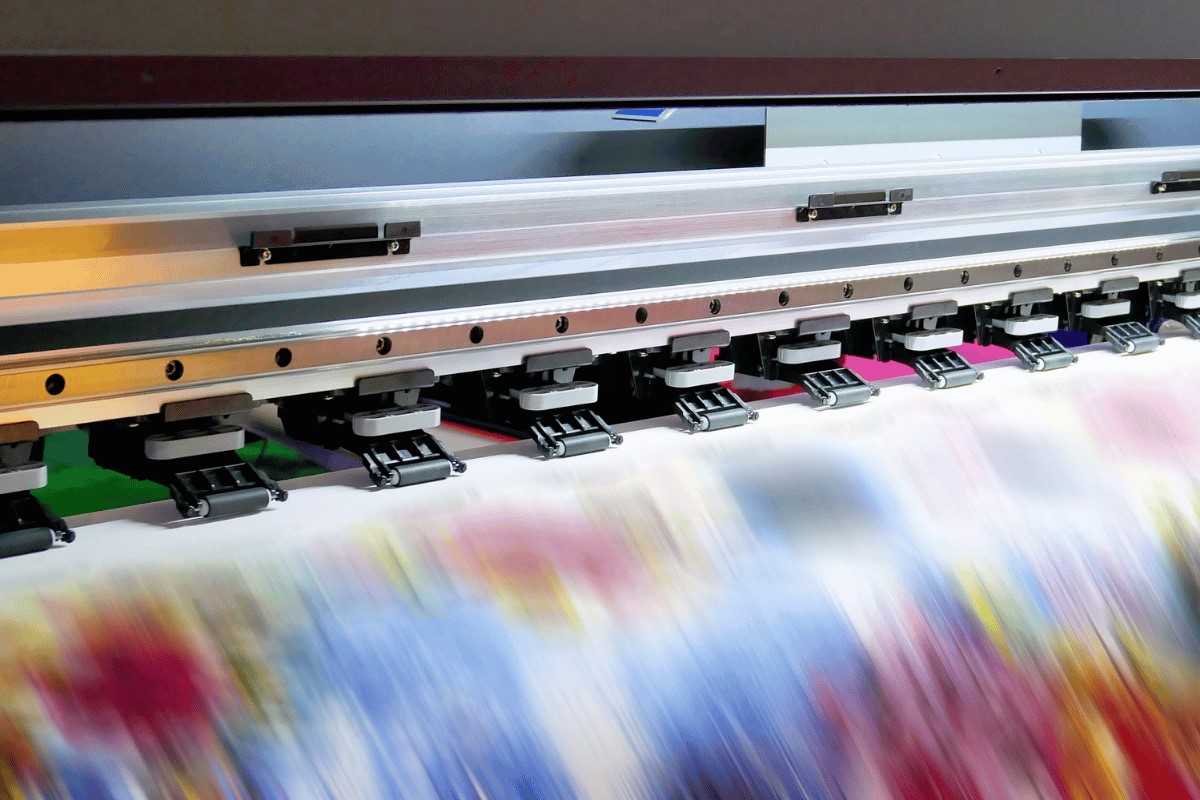
digital printing in abu dhabi

Challenges in Color Management

While color management is essential, it can be challenging. Printers and monitors use different technologies to display colors, making it difficult to match them perfectly. Additionally, lighting conditions can affect colors appearing on-screen and in print. For businesses in Abu Dhabi, working closely with a digital printing provider is essential to ensure colors are managed correctly.
Another challenge is maintaining consistent colors across multiple printers or print providers. This is particularly crucial for large-scale projects or businesses using multiple printing services. While color management systems can help address these challenges, companies must proactively oversee the process.

Conclusion

Color management is crucial in digital printing to ensure high-quality, consistent, and accurate results. For businesses in Abu Dhabi, where high standards and competition demand excellence, proper color management helps avoid costly mistakes and ensures that printed materials reflect a strong brand identity.

If you’re looking for professional digital printing services in Abu Dhabi, Dubai Printing Press can meet all your business needs.

Posted on

Harnessing the Benefits of Digital Printing in Packaging

Digital Printing In Dubai

Every brand owner wants to make their brand widely known. How is that possible? The answer is – attractive packaging.

Because the world is going digital, so is packaging. Digital printing in Dubai makes packaging convenient, beautiful, and cost-effective.

This blog post provides all the information you need about digital printing in packaging and its benefits.

What is digital printing?

Digital printing does not require plates; instead, digital files are printed directly.

Because digital files print everything with minimal human intervention, printing is faster and simpler than traditional printing. Due to its quality and speed, it is perfect for on-demand printing and has become popular in Dubai.

Digital Printing In Dubai

Benefits of Digital Printing in Packaging

Fast Turnaround Time

One of the most significant benefits of digital printing is the fast turnaround time. Traditional printing methods take longer because they need plates and setups, but digital printing does not. You can quickly print your designs, which benefits businesses requiring fast packaging. With digital printing in Dubai, companies can promptly complete their packaging.

Cost-effective for Minor Orders

Digital printing is cost-effective, especially for short orders. Traditional printing methods are expensive for small quantities. They require plates and setup costs. Digital printing does not have these costs. This makes it cheaper for small orders. Businesses can save money by using digital printing for their packaging needs.

High-Quality Prints

Digital printing produces high-quality prints. The colours are vibrant, and the images are sharp. This is important for packaging because it needs to look good to attract customers. With digital printing in Dubai, companies can create appealing, eye-catching packaging.

Personalisation and Customization

Digital printing allows for easy personalisation and customisation. You can print different designs without changing plates, which is perfect for businesses that want to create unique packaging for each product. Personalised packaging can make a product feel unique to customers and help companies target different markets with different designs.

An Eco-Friendly Option

Digital printing is more eco-friendly than traditional printing. It produces less waste because it does not use plates. It also uses less ink and energy. This is important for companies that want to reduce their environmental impact. Choosing digital printing for packaging is a step towards sustainability.

Reducing Inventory Costs

With digital printing, businesses can print what they need when needed. This reduces the need for extensive packaging inventories, saves storage space, and reduces the risk of outdated packaging. Companies can be more efficient and responsive to market changes.

Consistent Quality

Digital printing ensures consistent quality. Every print is the same, which is essential for branding. Customers expect the same quality every time they buy a product, and digital printing ensures the packaging looks great.

Flexibility in Design

Digital printing is a perfect choice over traditional printing because, in the latter, there are no retakes for design available, or, if available, one has to pay the cost. In digital printing, you can test different designs before finalising them. This way, you can design or re-design several times.

To Wrap Up

Enjoy customisation and fast service with digital printing at a much lower cost than expected. It will make your packaging look good and ultimately boost your sales.

Dubai Printing Press has been renowned in the printing industry for several years. We provide you with top-quality digital printing in Dubai to improve and enhance your packaging. Knock on our door anytime and furnish your requirements; we assure you that we will provide the best service that makes a difference.

Posted on

Digital vs. Offset Printing: Which One Does Your Business Actually Need?

catalogue printing

Regardless of what kind of product or service your business sells, getting physical prints of documents is inevitable for one reason or another. It could be a set of brochures, product catalogues, or marketing materials for an upcoming event. So, when it comes to printing, you must have heard the terms digital printing and offset printing thrown around and might still be confused about which one is actually right for you.

There is no one-size-fits-all answer. Because it depends on several other factors, you can pick either one of them based on your requirements. But the key point here is that you should be clear about your requirements and be aware of which one suits which. So, how can we know that? Well, let us break down exactly what each of these printing methods does, where each one benefits you the most, and how to make the right decision for your specific needs.

What is Digital Printing?

A digital printer is similar to the desktop printer in your office, except it operates on a much larger scale, delivering highly advanced, ultra-precise results. Your file goes directly into the printer; it is then analyzed directly by the printing system, and the ink is applied immediately to the paper without any plates or setup processes in between. This speeds up the whole process, and the setup that would otherwise have taken hours will be done in minutes, saving a lot of time.

For this reason, a digital printer is the fastest, most flexible, and ideal way to get your physical copies when you need things done quickly and in smaller quantities.

  • Can be used for short print runs that usually come under 500 copies.
  • Projects with the right turnaround time
  • Variable data printing with personalized names, addresses, or QR codes
  • If there are any last-minute changes or updates to the content
  • Prototypes or samples before a large print run

What is Offset Printing?

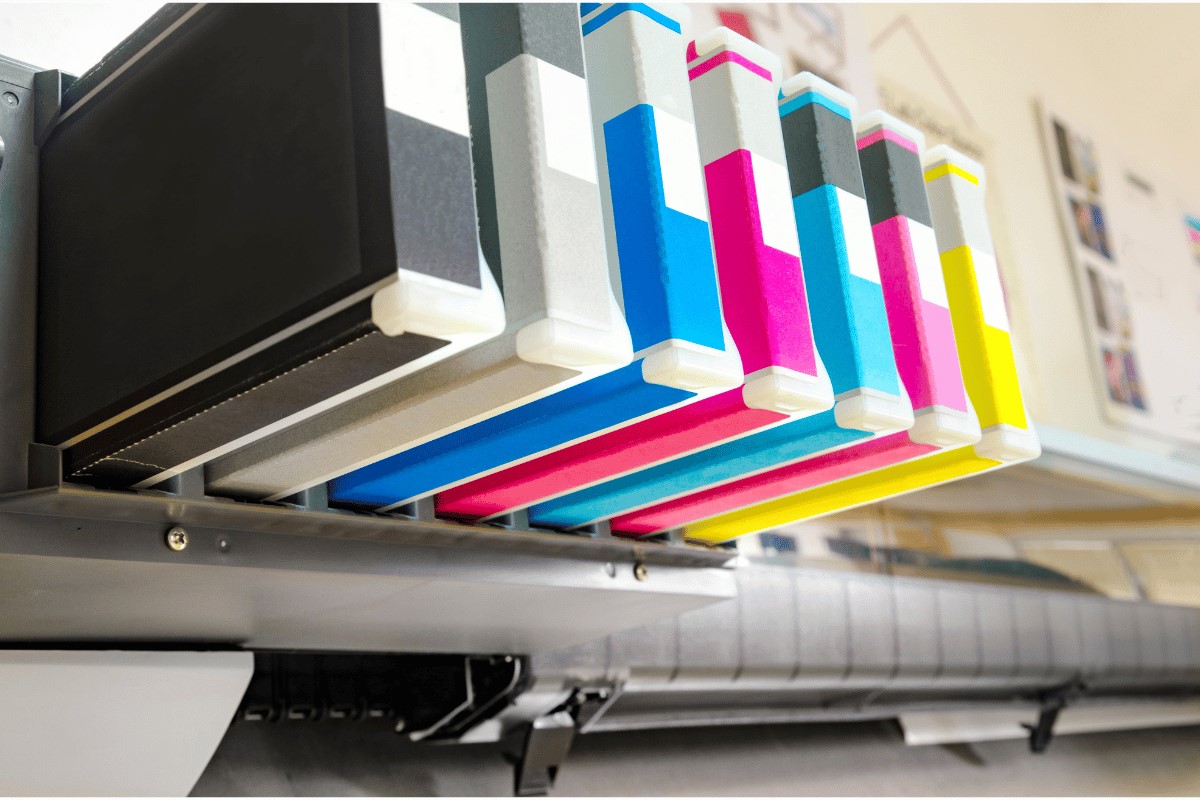
Offset printing is a multistage, mechanical process considered the traditional standard for commercial production, including catalogue printing. With offset printing, your digital artwork is separated into four primary color channels: Cyan, Magenta, Yellow, and Key (CMYK).

The printer uses metal plates on which the colors are chemically etched, which then transfer ink onto a rubber blanket and finally roll the image onto paper as it passes through the press. This is where the term offset originates. Due to the incredible precision of the mechanical cylinders, the results from an offset printer remain razor-sharp, color-consistent, with a perfect finish, and cost-effective when printing in massive volumes.

Although this setup takes more time and incurs higher upfront costs, the per-unit cost drops significantly as the quantity of material increases.

It can be used for,

  • 500 copies or above, which is generally considered a large print run
  • Projects where color accuracy is extremely important
  • Premium materials such as thick cardstock, textured paper, or specialty finishes
  • Catalogues, annual reports, brand books, or items that are used in the long-term
  • Pantone color matching

Digital Printing vs. Offset Printing: Comparison

Factor Digital Printing Offset Printing
Setup cost Low Higher
Cost per unit (low quantity) Lower Higher
Cost per unit (high quality) Higher Lower
Turnaround time Fast Slower
Color consistency Good Excellent
Paper/material options Moderate Wide range
Personalization Yes Not practical
Ideal quantity 1 to 500 500 and above

Important Parameters for Corporate Projects

  1. Total production volumeWhenever you have a print requirement, volume remains the primary metric to consider. Because if your business needs a small, targeted batch of materials, digital printing is your go-to option. However, if your requirement involves thousands of copies of a physical printout of the material, offset printing is the one you should choose.
  2. Turnaround timelineVerify your deadline. Typically, operations in corporate companies move quickly, and requirements have tight deadlines. The materials could be for a trade exhibition, product launch, or investor presentation, and you might need them delivered within a couple of days. If that is the case, digital printing is the way to go.
  3. Paper flexibilityYour brand might have preferences regarding the choice of materials for printing, be it paper or something else entirely. This specifically happens during catalogue printing. After all, the brand identity also lies in small details like these, so you cannot overlook them. While offset printing handles a wide range of papers and other materials such as industrial packaged boards, textured fine liners, synthetic plastics, and metallic papers, digital printers have limitations. If you are using a digital printer to print on textured or highly embossed materials, the results might look uneven and low-quality.
  4. Color precision and consistencyA brand has to be consistent to maintain its identity, even if it’s the color patterns it uses. As mentioned before, digital printing uses the CMYK ink blending method to produce colors, which might create slight variations in the outcome. However, offset printing uses the Pantone Matching System to mix inks before production to ensure color consistency across every single page.
  5. Customization requirementsOffset printing, as you already know, is best for producing identical copies of a large volume of material. This makes it incapable of personalization using variable data. On the other hand, digital printing allows for data variation and produces accurate results regardless of how many customizations you have. It can swap names, assign unique serial codes, print different QR codes, and target geographic addresses on every individual sheet within a single continuous production run.

The Quality Question: Is There A Difference?

Based on traditional standards, offset printing used to produce the best results. However, modern digital printing has come a long way, making the quality difference between the two almost negligible. That said, offset printing still has a visible edge in certain situations.

For instance,

  • Pantone colors: Offset printers can print exact Pantone shades with precision, while digital printers convert them to CMYK, resulting in slight variations.
  • Paper variety: Offset printers can handle any and all kinds of papers or printing materials, while digital printers lack this variety.

https://dubaipp.com/wp-content/uploads/catalogue-printing-2-png.webp

Frequently Asked Questions

1. Is digital printing of lower quality compared to offset printing?

Not necessarily. Although offset printers were once considered the best for producing high-quality results, modern digital printers have closed that gap. To the average eye, a digital print produced on a commercial-grade press will look similar to one produced by offset printing.

2. What is the most common mistake companies make during catalogue printing?

One mistake is overestimating the number of physical copies you need for catalogue printing. Two, procrastinating on the printing work and ending up opting for a high-cost process that could otherwise have been done at a reasonable cost through offset printing if planned earlier.

3. Can I combine both methods for a single corporate campaign?

You sure can. Many businesses use offset printing to produce large volumes of marketing materials, while using digital printing to produce smaller, faster batches of specialized content based on requirements.

Posted on Leave a comment

How Does Digital Printing Revolutionize the Printing Industry?

Digital Printing Dubai

Digital printing services refer to the process of printing digital files directly onto various surfaces, such as paper, fabric, plastic, or other materials, using digital printing technology. Unlike traditional printing methods, which involve creating printing plates or screens, digital printing utilizes digital files that are sent directly to the printing machine. In digital printing, the image or design is created and stored as a digital file on a computer. This file is then transmitted to a digital printer, which uses advanced techniques, such as inkjet or laser technology, to reproduce the digital image onto the desired medium.

What are the major advantages of digital printing services?

Digital printing offers several advantages over traditional printing methods:

1. Quick Turnaround:

Digital printing allows for faster production turnaround times since there is no need to create printing plates or screens.

2. Cost-Effective for Small Runs:

Digital printing is cost-effective for small to medium print runs since there is no setup cost associated with creating plates or screens.

digital printing services

3. Variable Data Printing:

Digital printing enables personalized and variable data printing, meaning each printed piece can be customized with unique information, such as names, addresses, or sequential numbering.

4. High-Quality Output:

Digital printing produces high-quality and sharp images with vibrant colors, making it suitable for various applications, including marketing materials, brochures, business cards, banners, and more.

digital printing services in Dubai

5. Flexibility:

Digital printing offers flexibility in terms of material and surface options. It can be used on different types of papers, cardstocks, fabrics, plastics, and even three-dimensional objects.

How Does Digital Printing Revolutionize the Printing Industry?
Digital printing has revolutionized the printing industry in several ways, bringing significant advancements and transforming traditional printing processes. Here are some key ways in which digital printing has revolutionized the industry:

1. Faster Turnaround Times:

Digital printing eliminates the need for creating printing plates or screens, reducing setup time significantly. This allows for faster production turnaround times, enabling businesses to meet tight deadlines and respond quickly to customer demands.

2. Cost-Effective for Short Runs:

Traditional printing methods often require high setup costs, making them less economical for small print runs. Digital printing eliminates these setup costs, making it cost-effective for short runs. This has opened up opportunities for small businesses and individuals to access high-quality printing services at affordable prices.

3. Variable Data Printing:

Digital printing technology enables variable data printing, which means each printed piece can be customized with unique information. This capability is particularly valuable for direct mail campaigns, personalized marketing materials, and documents that require individualized data, such as event tickets or certificates.

4. High-Quality Output:

Digital printing produces high-quality prints with sharp images and vibrant colors. The advancements in inkjet and laser printing technology, along with improved color management systems, have resulted in excellent print quality that can rival or even surpass traditional offset printing. If you’re finding the best in class services in terms of printing services then consider going
through the official website of Dubaipp.